


Aesthetic Dentistry
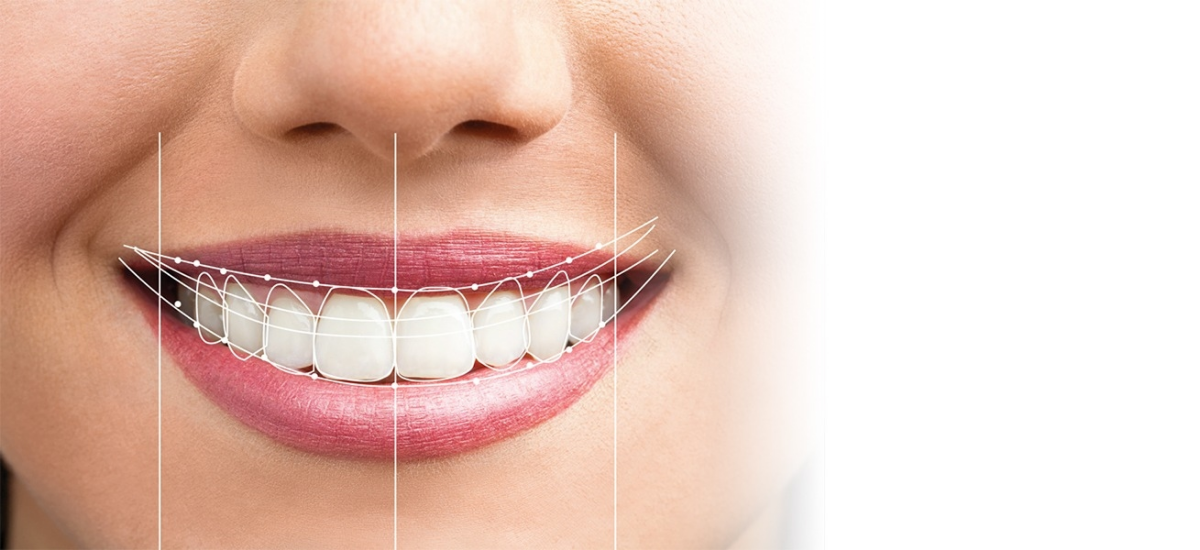
What is Gum Aesthetics? (Pink Aesthetics)
Gum aesthetics is a dental treatment application, also known as pink tooth aesthetics, which includes procedures in which the gums are shaped symmetrically by considering the smile line and the dimensions of the teeth on a patient basis.
How is the Gum Aesthetics Recovery Period?
The pink aesthetics recovery process varies from patient to patient, but is planned to be completed in 10-14 days.
What are the Dental Aesthetics Treatment Methods?
Pink aesthetics can be performed under local anesthesia, usually with laser gingivectomy (gum cutting) or gingivoplasty (gum shaping), and teeth length can be extended, thus reducing gummy smile (gum visibility) or eliminating asymmetries by leveling the gums. If the gums are very red and swollen, they are anesthetized with subgingival curettage applications beforehand. Smile aesthetics can be performed on any patient whose gum and tooth structure are suitable for this treatment, regardless of age.
What is Gum Bleeding and What Causes It?
Bleeding gums are the result of the deterioration of the structure of the vessels that feed the gum tissue due to the presence of plaque and tartar on the tooth surface and the blood elements coming out of the vessels. In other words, the first sign of inflammatory gum disease is bleeding. This bleeding can occur with a stimulus (touch, brushing, etc.) or spontaneously. In addition, brushing too hard, overflowing or incomplete fillings, cavities, and incompatible dentures can cause bleeding. Pregnancy, menstruation, menopause, blood diseases, diabetes, vitamin C and K deficiencies, genetic predisposition, and use of blood thinners can also give symptoms of bleeding gums.
How is Bleeding Gum Treated?
Bleeding gums are treated with the diagnosis of the cause of bleeding and applications directed to it. In this context, tartar cleaning, subgingival curettage (deep cleaning) if necessary, and plaque cleaning are performed. Patient care is very important during the healing process. Therefore, correct brushing and the use of dental floss or interdental brushes as needed should definitely be included in the treatment process. If there are cavities, they should be treated, and if there is an incompatible filling or prosthesis, they should be corrected or renewed. Systemic problems that may cause bleeding should be determined and the patient's physician should be consulted.
WHEN SHOULD DENTAL STONE CLEANING BE DONE?
THE PHYSICIAN DECIDES WHETHER DENTAL STONE CLEANING WILL BE DONE DURING THE PATIENT'S ROUTINE 6-MONTH CHECK-UPS. IF IT IS NOT DEEMED NECESSARY DURING THE 6-MONTH CHECK-UP, WE SAY THAT DENTAL STONE CLEANING SHOULD BE DONE ONCE A YEAR.
WHAT ARE THE REASONS FOR DENTAL STONE FORMATION?
FACTORS THAT CAUSE THIS; THE PATIENT'S SALIVAL STRUCTURE, INTENSIVE USE OF CIGARETTE, COFFEE, TEA, ETC. AND IF REGULAR ORAL HYGIENE (CORRECT AND REGULAR BRUSHING AND DENTAL FLOSS USE) IS NOT PROVIDED, DENTAL STONE FORMATION OCCURS.
RESTORATIVE Aesthetic Fillings
What is Aesthetic Filling?
Aesthetic filling is a more natural and aesthetic smile design using composite material and a filling material that has the color of the person's teeth. The composite filling is hardened with halogen light and chemically bonded to the tooth.
Why Are Aesthetic Filling Applications Preferred?
The main goal is for the fillings to be in the form of natural teeth in terms of shape and color, the filling boundaries to be unclear, and the person to be unable to distinguish the filling from their own teeth, and this is preferred by patients.
Are Aesthetic Fillings Durable?
Although it was believed in previous years that metal fillings were more durable and functional, the material content has been strengthened with developing technology, and a much longer-lasting, aesthetic and healthy structure has been adopted from metal fillings.
Do Aesthetic Fillings Have a Lifespan?
With routine oral care, there is no deformation in aesthetic fillings, no gaps or leaks in the fillings. Aesthetic fillings are maintained at 6-month check-ups, their polishes are renewed, and they are made to last much longer. In short, the lifespan of the filling is related to the person's oral care.
Can I Replace My Black (Amalgam) Fillings with Aesthetic Fillings?
You can have your amalgam fillings replaced with aesthetic fillings in a single session. Inlay and Onlay Dental Restorations
What are Inlay and Onlay?
Inlays and onlays are a solution between fillings and crowns (coatings). An aesthetic treatment method applied to teeth where there is not enough tooth tissue to be filled or which are not damaged enough to be covered.
What is the Difference Between Inlay and Onlay?
The difference between them is related to the area they cover. Inlays are more similar to fillings, but they are located between the cusp (tubercles) on the chewing surface of the teeth. Onlays are made to cover one or more cusp.
What is the Content of Inlay and Onlay?
Inlays and onlays are made of ceramic or fiber-reinforced composite.
Why are Inlay and Onlay Preferred?
Generally, insufficient healthy tooth tissue remains after the decay is cleaned in teeth that have undergone root canal treatment or have severe decay. Since inlay and onlay are prepared on a model, the desired anatomical form and contact are easily provided. In addition, they are more resistant to abrasions and chewing pressures compared to classic filling materials.
How Long Do Inlay and Onlay Fillings Last?
The lifespan of an inlay or onlay filling depends on the condition of the tooth it is placed on, chewing forces, how much the patient pays attention to oral hygiene, and regular dentist check-ups. They usually continue to function healthily for decades.