


Root Canal Treatment
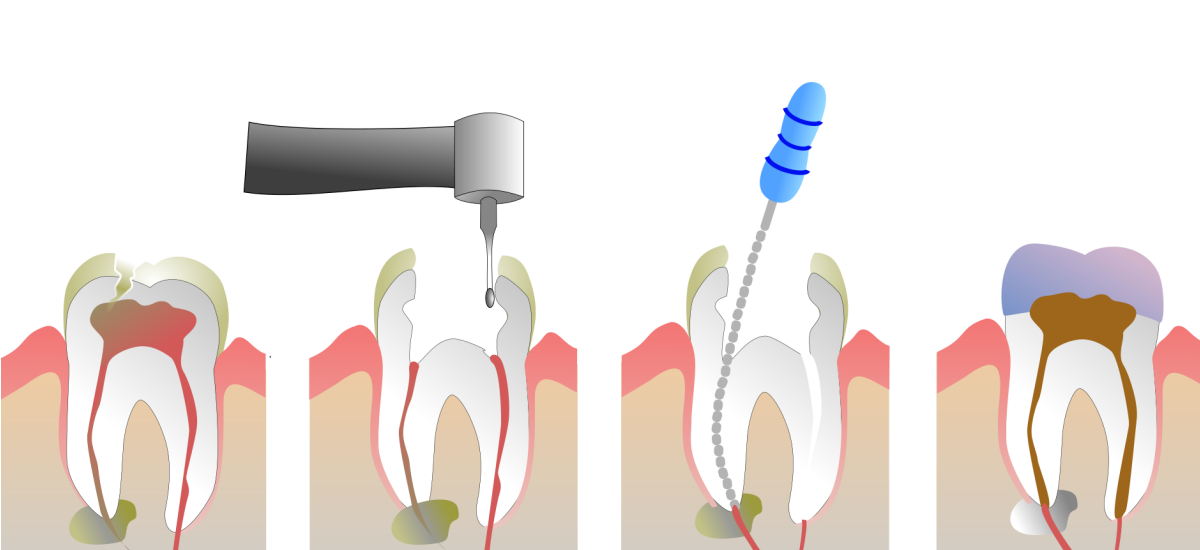
What is Root Canal Treatment?
Root canal treatment is the cleaning, disinfection and filling of infected nerves in the canals of the tooth with root canal filling materials as a result of cracks and fractures in the teeth, tooth decay, incorrect treatment processes, incorrect restorations and the nerves and veins in the tooth losing their vitality.
Pain After Root Canal Treatment
There may be a slight pain and sensitivity in the tooth, especially during chewing, after root canal treatment. There is no harm in using a mild anti-inflammatory drug for a few days after treatment.
What Should Be Considered During Root Canal Treatment?
Nothing should be eaten or drunk until the effect of the anesthesia wears off. Nuts and similar hard foods and sticky foods such as gum should be avoided in the area where the tooth is being treated during treatment. Tooth fractures are most commonly seen between sessions. Care should be taken not to let the temporary filling fall out between treatment sessions.
Is Root Canal Treatment a Painful Procedure?
Since anesthesia will be applied during root canal treatment, the patient does not feel any pain.
Fiber Application
When are Fiber Applications Performed?
If there is not too much material loss on the tooth that has undergone root canal treatment, a normal filling should be applied; if there is too much material loss, inlay and onlay treatments should be applied to prevent the tooth from breaking. If there is no tooth wall left but the roots are strong, a 'post' supported by the root canal should be made and a crown should be placed on it.
What are the Types of Fiber Applications?
- Casting post,
- Screw post,
- Fiber posts are the post types used.
Why is Fiber Post Preferred?
- The risk of breakage is less.
- It adheres to the tooth both mechanically and chemically.
- Since there is no metal reflection under full ceramic restorations, an aesthetic appearance is achieved.
What is Repeat Root Canal Treatment? (RETREATMENT)
The success rate of root canal treatments performed correctly and under sterile conditions is between 90-95%. If there is nerve tissue that is not cleaned during the treatment, if the root canal filling and upper filling are not sufficient, microorganisms leak into the canal, and perforation or fractures occur during the treatment, the root canal treatment is considered unsuccessful. We can understand an unsuccessful root canal treatment from the symptoms of pain in the teeth during eating, spontaneous pain, swelling and redness at the root tip. The unsuccessful root canal treatment is renewed and the treatment is repeated. If this procedure is insufficient, the apical resection procedure is applied, the root tip is surgically reached, the infection is cleaned and closed. If the repeat root canal treatment and surgical intervention are insufficient, tooth extraction should be considered.