


Prosthetic Treatment
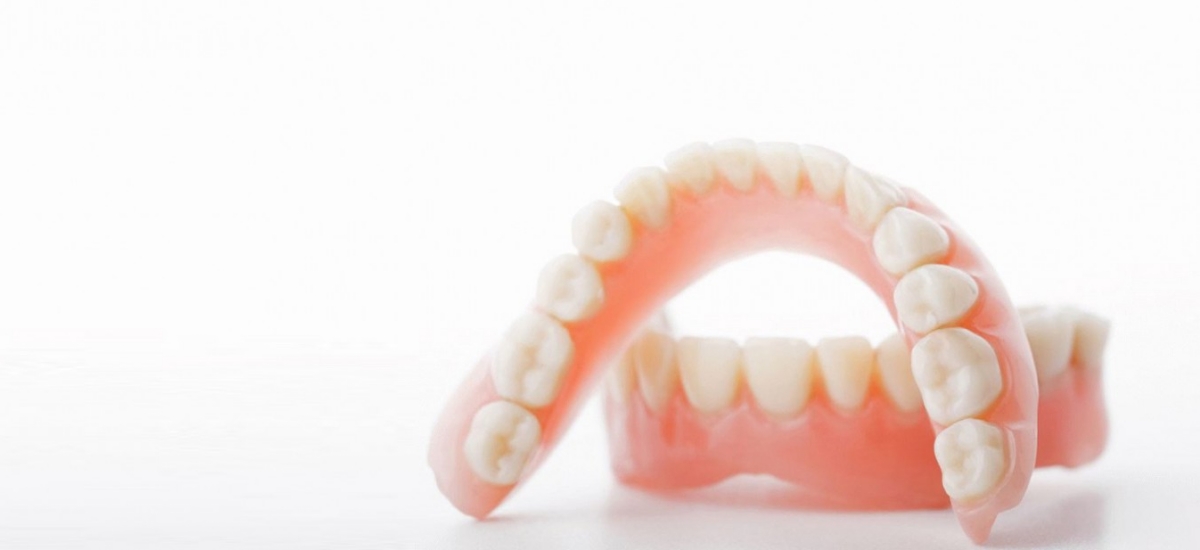
Prosthetic treatment is a treatment method used to restore the functions of missing or damaged body organs or tissues. It is applied in a wide range from dental prostheses to limb prostheses. Here is general information about prosthetic treatment:
1. Prosthesis Types
A. Dentures
- Fixed Dentures: Permanently bonded prostheses, such as bridges and crowns. They cover missing teeth and improve aesthetic appearance.
- Removable Dentures: They are full or partial dentures that can be attached and removed. They are usually used for individuals who have lost all their teeth.
- Implant-supported dentures: These are dentures supported by implants placed in the jawbone. They provide a more natural chewing and speaking function.
B. Orthopedic Prosthetics
- Lower and Upper Limb Prosthetics: These are artificial limbs used in cases of arm, leg, hand or foot loss. Modern prosthetics can provide natural mobility.
- Joint Prosthetics: Used to replace joints such as hips, knees, and shoulders. Usually applied after arthritis or injuries.
C. Aesthetic and Medical Prosthetics
- Eye Prosthetics: Although they do not restore vision, they can replace an eye for aesthetic purposes.
- Ear/Nose Prosthetics: These are made to correct facial deformities.
- Breast Prostheses: These are artificial breasts used after mastectomy.
2. Prosthesis Treatment Process
- Examination and Planning: The need for a prosthesis is evaluated according to the individual's health status and expectations.
- Measurement and Design: Prosthetics suitable for the patient's anatomical structure are designed with special measuring devices.
- Application and Adaptation: The prosthesis is placed appropriately for the individual and any necessary adjustments are made.
- Follow-up and Maintenance: Regular checks are performed to ensure the longevity and functionality of the prosthesis.
3. Advantages
- It restores the functions of missing tissues or limbs.
- It improves the quality of daily life.
- Improves aesthetic appearance.
4. Things to Consider
- Regular cleaning and maintenance of the prosthesis should not be neglected.
- If there is a change in weight or other health problems that may affect the fit of the prosthesis, a doctor should be consulted.
- There may be a feeling of discomfort during the adaptation process, especially with dentures, but this will decrease over time.